
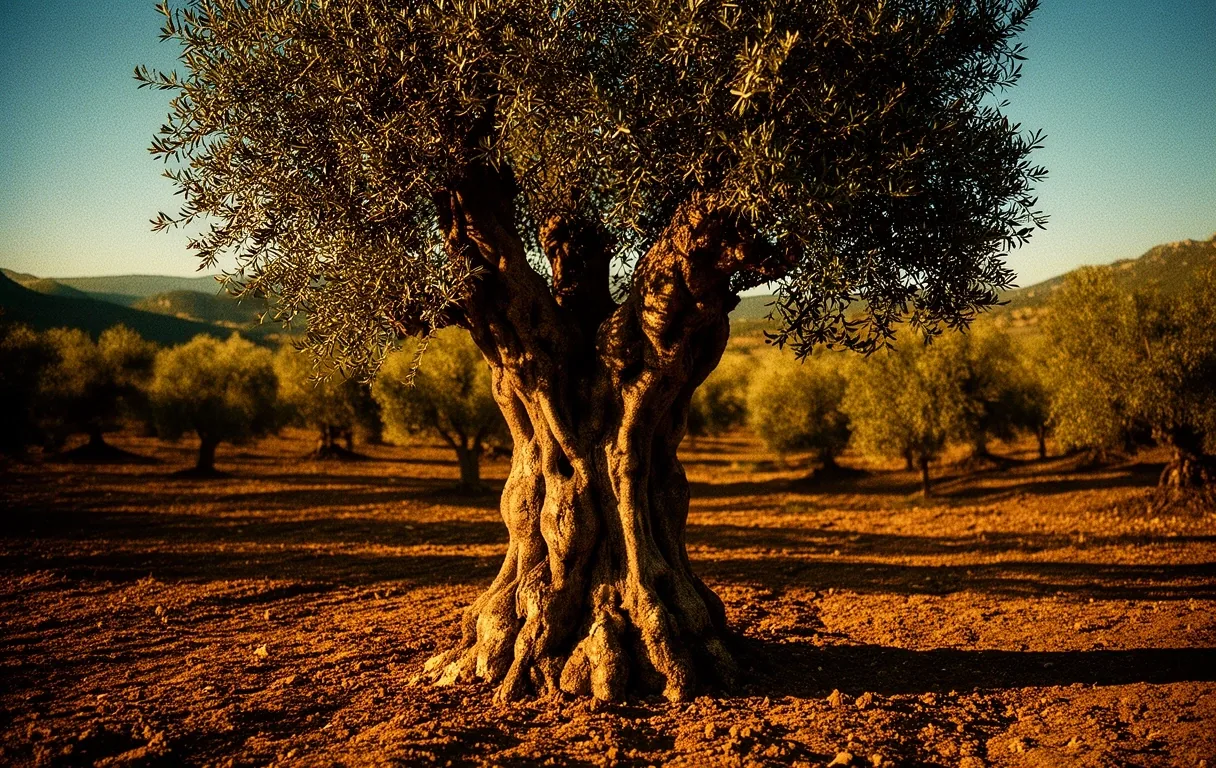
Heritage Superfoods
Traditional folk nutrition and the specific ingredients passed down through generations to sustain Spanish vitality.
The Mediterranean Foundation
The traditional Mediterranean diet is world-renowned, but there are specific elements of folk nutrition particularly focused on male vitality. This page examines the ingredients and preparation methods that ensured men remained strong, energetic, and capable throughout the grueling cycles of rural life.
In the Spanish countryside, food was never just calories; it was the fuel for the harvest and the foundation of a family's legacy.
Preparation was as vital as the ingredient itself—slow-cooked stews and raw morning rituals were common across the peninsula.
The Power of the Olive
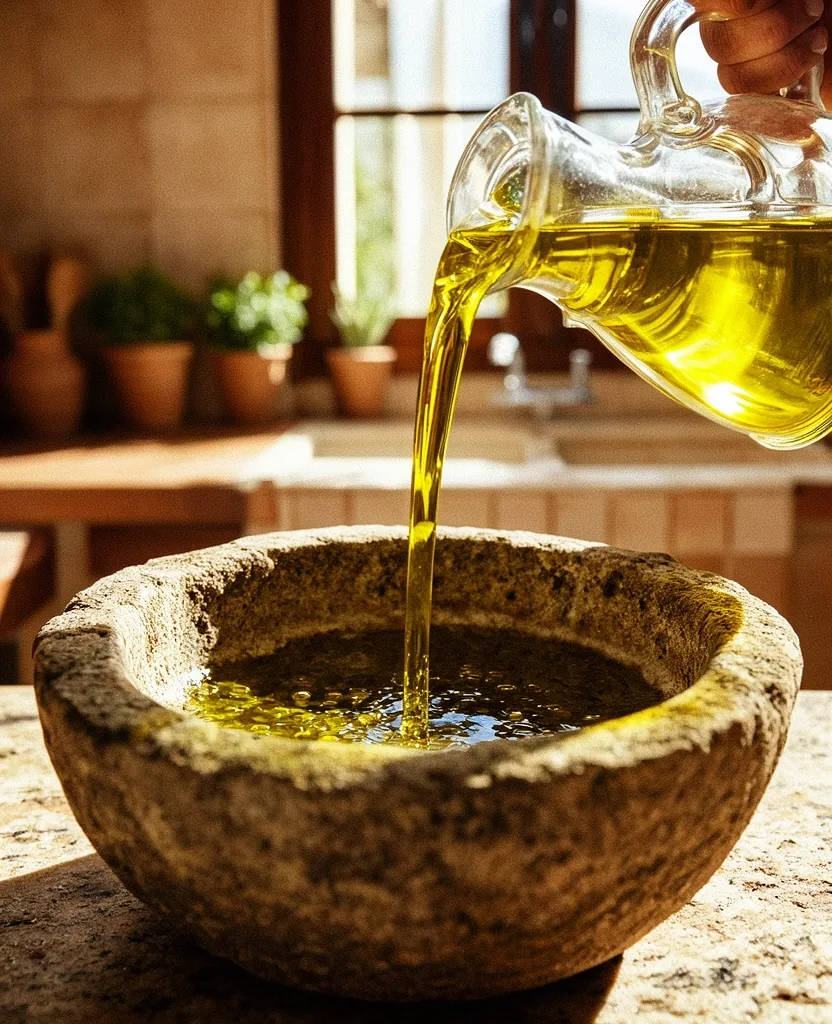
Olive oil is the foundation of Mediterranean vitality. Traditional wisdom dictates that high-quality, cold-pressed oil is essential for maintaining the "lubrication" of the body's systems, ensuring physical movement remains fluid and effortless.
Historically, it was often consumed raw in the morning. Field workers and laborers in regions like Andalusia would begin their day with a single spoonful of the "liquid gold" or rub it onto crusty bread to sustain their endurance under the intense Iberian sun.
Energy From the Earth
Concentrated natural fuel sourced from the rugged Spanish sierras and fertile coastal plains.
Pomegranates
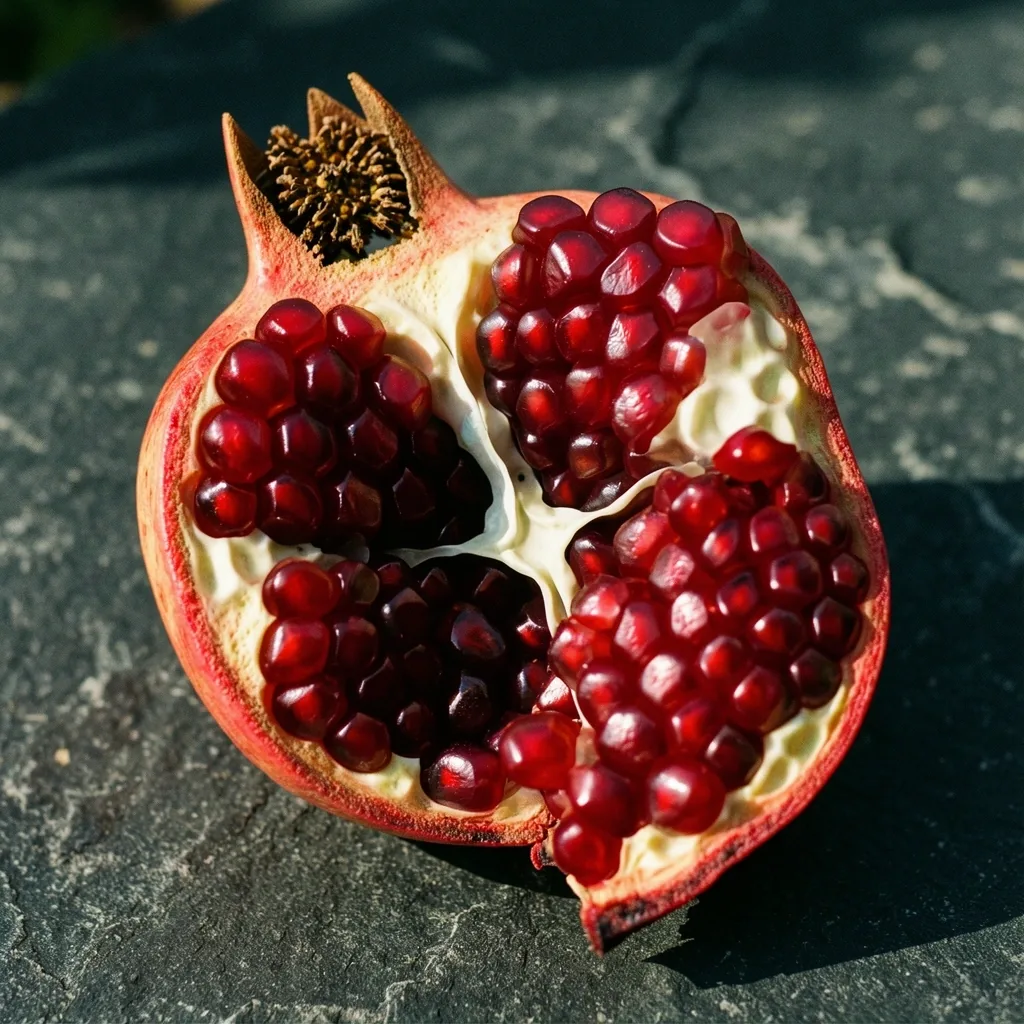
In the folk traditions of the eastern coast, the pomegranate has long been a symbol of fertility and vigor. It was valued for its ability to refresh the blood and provide a quick source of natural energy.
Mountain Nuts
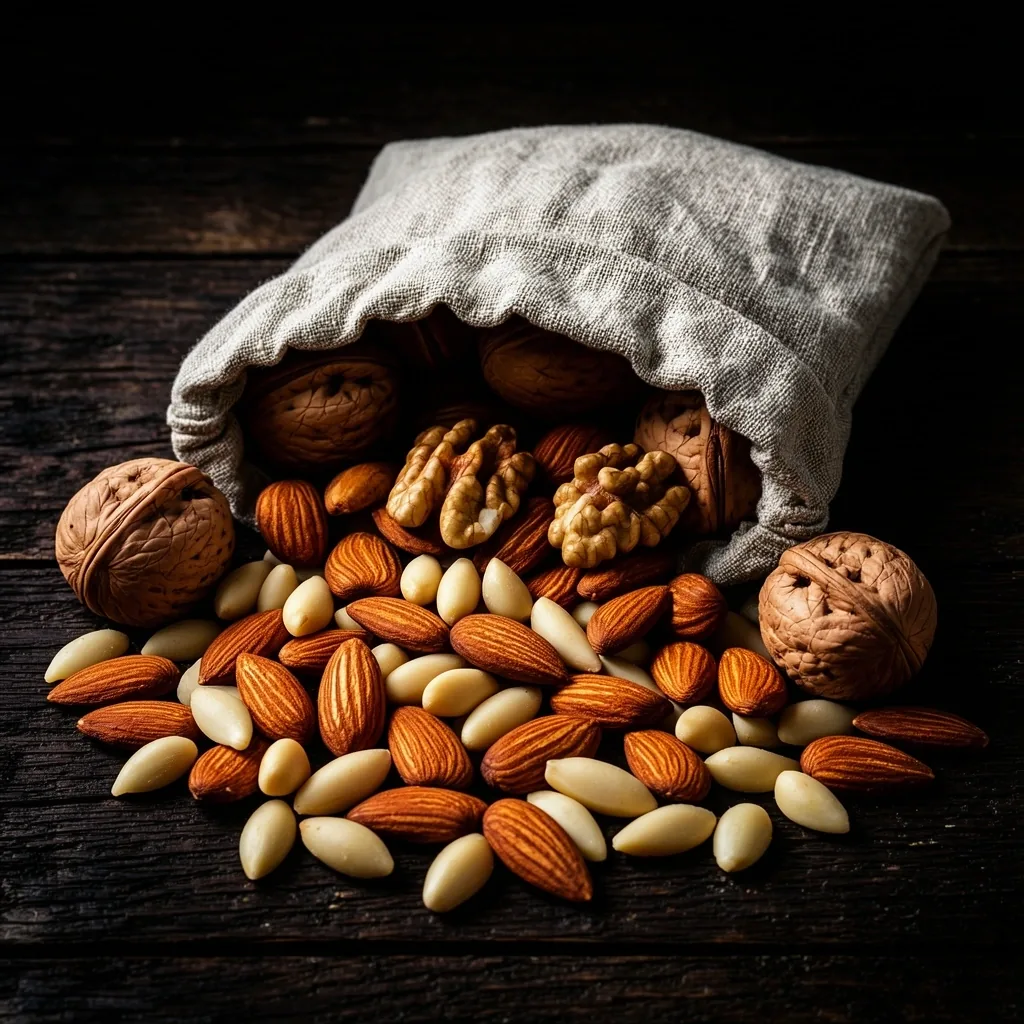
Walnuts, almonds, and pine nuts are the energy bars of antiquity. Rural men in the Spanish mountains always carried a pouch of these calorie-dense snacks for sustained stamina during physical exertion.
Wild Bee Products
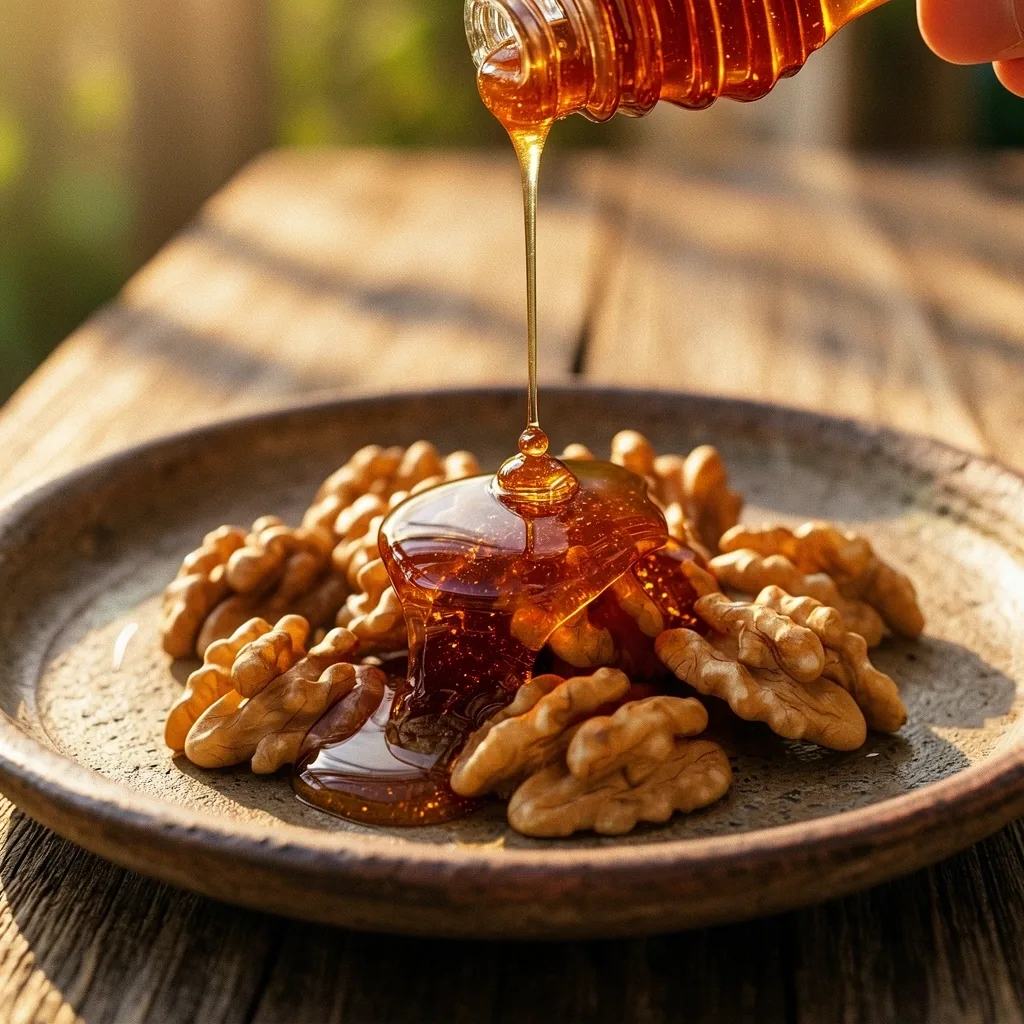
Raw honey from the "dehesa" was the primary spark of vigor for our ancestors. Combined with local walnuts, it provided an immediate surge of energy to face the day's challenges.
The Secrets of the Malas Hierbas
Folk nutrition involves a deep knowledge of the wild greens that grow in the cracks of the earth. These plants, often bitter to the taste, were the essential preparation for the high energy demands of the summer harvest.
View Heritage Ingredients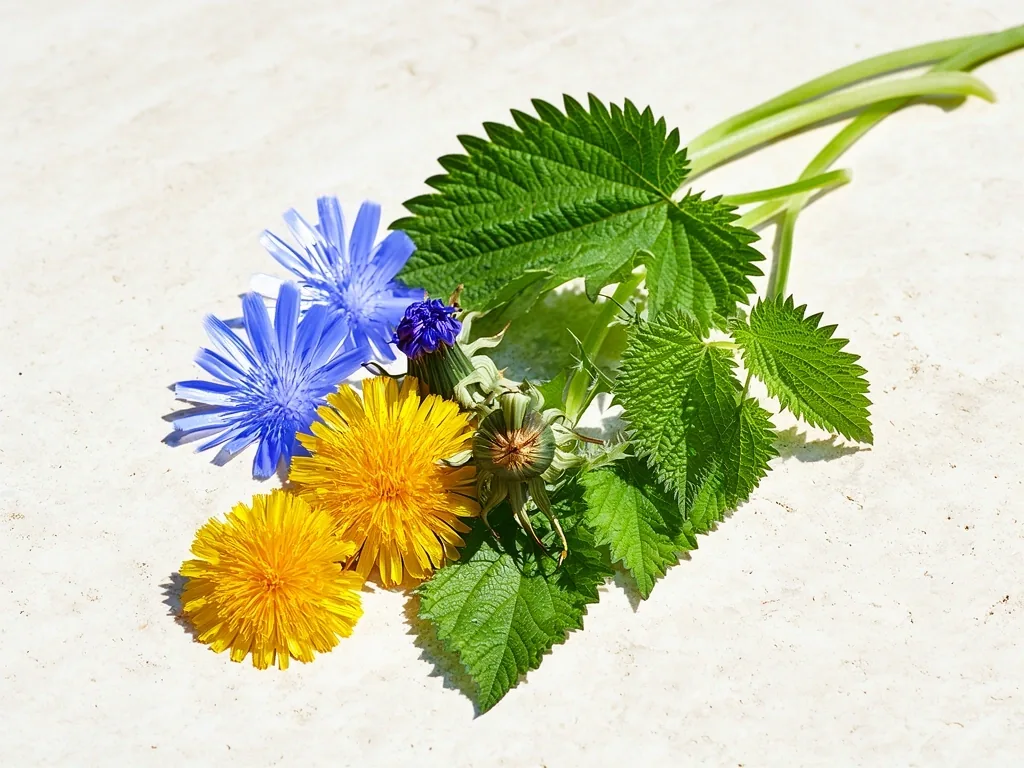
Garlic: The Peasant's Strength
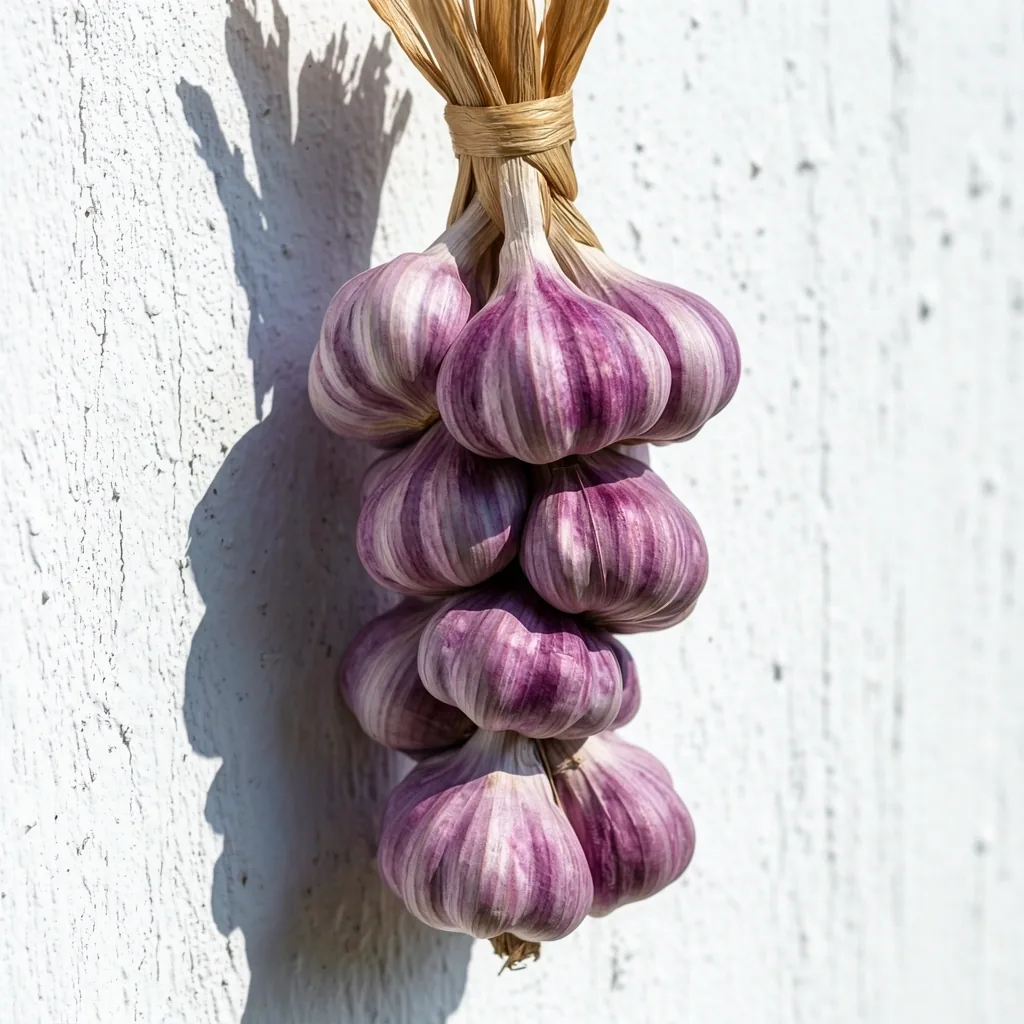
Garlic is perhaps the most famous folk ingredient for male wellness. Often eaten raw or rubbed on toast, it was believed to ensure that a man remained active and vigorous into his old age.
In Spanish heritage, it was understood that garlic maintained the flow of life through the body, supporting the heart and keeping the limbs strong for agricultural work.
Legumes and Long-burning Fuel
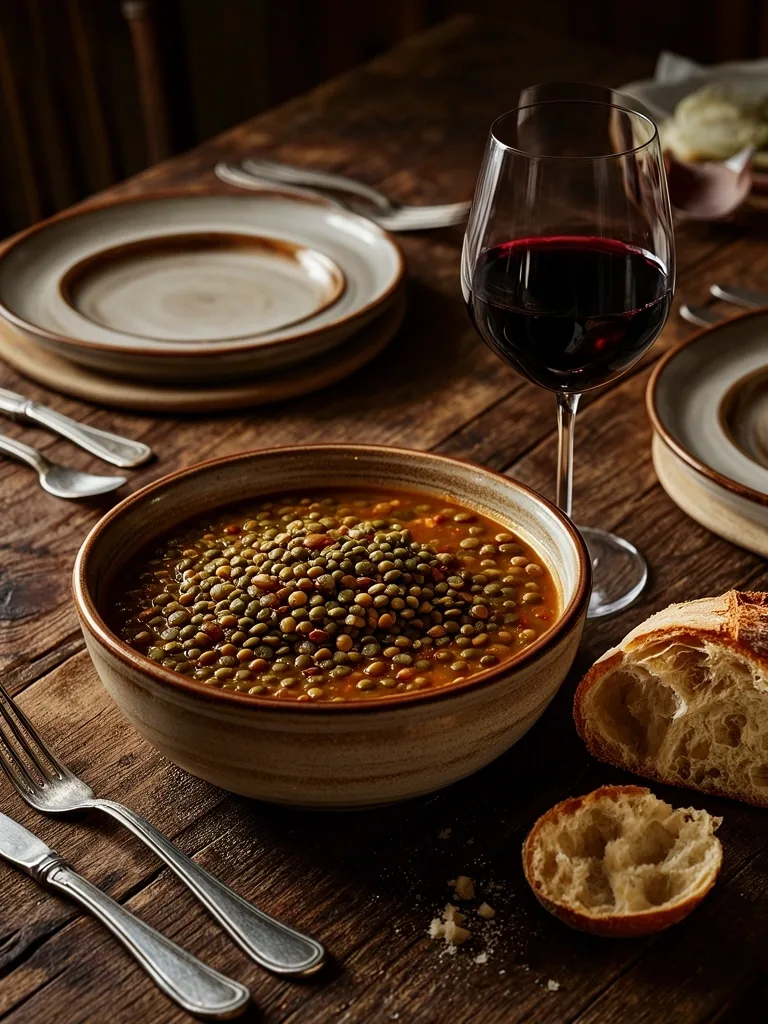
Lentils, chickpeas, and beans are the "meat of the poor" in Spanish history, but they are also the secret to sustained stamina. Slow-cooked with garlic and local herbs, these legumes provided the necessary fuel for grueling labor.
The Role of Fermentation
Traditional pickling and the fermentation of grapes into wine were essential for preserving nutrients.
In folk culture, a moderate amount of "vino tinto" was seen as a vitalizer, helping to relax the body after a day of labor and prepare it for the next day's physical challenges.
Expand Your Nutritional Wisdom
Carrer de Balmes, 120, 08008
Barcelona, Spain
+34 932 13 01 10
[email protected]
Monday — Friday
09:00 - 18:00